

Sharjah has introduced a significant change to its support and remuneration framework, raising the standard of decent living to AED 20,000 per month for employees of the Sharjah Government.
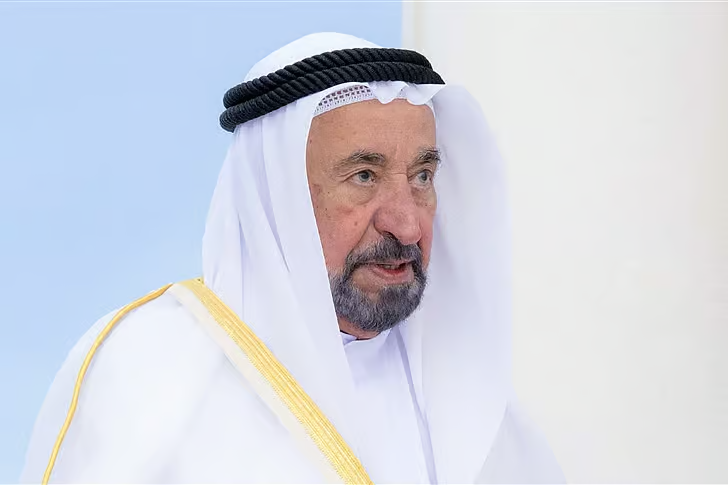
The decision, approved by His Highness Sheikh Dr Sultan bin Muhammad Al Qasimi, Supreme Council Member and Ruler of Sharjah, also extends the higher living standard to eligible families receiving social support and several categories of retirees.
The measures take effect from September 2026 and represent a major financial commitment by the Sharjah Government, with the overall annual cost exceeding AED 1.187 billion.
What has changed in Sharjah?
The latest decision is designed to raise the income or support level of beneficiaries covered by the programme to a minimum standard of AED 20,000 per month.
Rather than applying only to active government employees, the decision covers multiple groups, including government workers, retirees and families receiving social assistance.
This makes the announcement broader than a conventional government salary revision. It combines employee compensation with measures aimed at supporting households and retirees.
Who is covered by the new decision?
The approved measures cover four main groups:
Group | Number benefiting |
|---|---|
Sharjah Government employees | 17,776 |
Families receiving social support | 6,652 |
Sharjah Government retirees | 2,251 |
Citizens receiving supplementary grants after retiring outside the Sharjah Government | 5,300 |
The figures and financial allocations were announced by the Sharjah Ruler's office.

17,776 government employees are included
The largest group covered by the employee-related component consists of 17,776 Sharjah Government employees.
The annual financial cost associated with raising the living standard for these employees is expected to exceed AED 720 million.
The measure is intended to ensure that employees covered by the decision reach the newly approved minimum standard of decent living.
It is important to distinguish this from saying that every Sharjah Government employee will simply receive an AED 20,000 salary. The official announcement uses the concept of a minimum standard of decent living, meaning the adjustment is intended to bring covered incomes up to that level.
New starting salaries for government recruits
The announcement has also drawn attention to the income levels available to people entering Sharjah Government employment.
According to reporting by The National, new university graduates joining the Sharjah Government will receive a starting monthly salary of AED 27,125.
For school leavers entering government employment, the reported starting salary is AED 20,950.
These figures are particularly notable because they provide an indication of how the emirate's revised compensation structure could affect younger Emiratis entering government service.
Support for families receiving social assistance
The decision also extends to families receiving social support from the Sharjah Government.
A total of 6,652 families are expected to benefit, with an annual financial allocation of approximately AED 195.13 million.
The objective is to raise the standard of decent living for eligible households to the approved minimum level.
This means the announcement is not limited to employment-related income. It also addresses household support for families already receiving assistance.
Sharjah Government retirees are included
Retirees from the Sharjah Government are another major group covered by the decision.
The revised standard will benefit 2,251 retirees, with an annual cost of approximately AED 113.06 million.
The inclusion of retirees gives the measure a longer-term social impact, extending the support framework beyond people currently working for the government.
Additional support for retirees from outside the Sharjah Government
The measures also cover 5,300 citizens who retired from outside the Sharjah Government and receive support through the Supplementary Grants scheme.
The annual cost associated with this group is approximately AED 159 million.
Together with the provisions for government retirees and supported families, this broadens the reach of the new living-standard policy beyond the government's current workforce.
How much will Sharjah spend?
The scale of the decision is reflected in its financial commitment.
The overall annual cost of the approved measures exceeds AED 1.187 billion.
Of this, more than AED 720 million is associated with the increase for Sharjah Government employees.
Other announced allocations include:
AED 195.13 million for families receiving social support
AED 113.06 million for Sharjah Government retirees
AED 159 million for citizens receiving supplementary grants
The figures highlight the size of the emirate's investment in household support and government compensation.
When does the new measure take effect?
The new measures take effect in September 2026.
The official Arabic announcement specifies 1 September 2026 as the effective date for the measures covering families receiving social assistance, government retirees, supplementary-grant beneficiaries and government employees.
What does the decision mean for people living in Sharjah?
The immediate significance is an increase in the financial support available to the groups covered by the decision.
For employees and eligible households, higher disposable income can affect everyday financial decisions, including savings, education, transportation and housing.
The impact will naturally vary between households. Someone receiving an adjustment to reach the new minimum level may experience a different financial change from an employee who already earns considerably more.
For this reason, the AED 20,000 figure should be understood as a living-standard benchmark under the approved framework, rather than assuming that every beneficiary receives the same additional amount.
Could the decision affect Sharjah's property market?
The announcement is also relevant from a residential-property perspective.
Housing is one of the largest recurring expenses for many households, and changes in household income can influence decisions about where people live and what type of home they can afford.
For some beneficiaries, an improved financial position could make it easier to consider larger homes, different communities or home ownership. Others may continue renting depending on their personal circumstances and existing financial commitments.
However, it would be too early to conclude that the decision will directly cause property prices or rents to rise. Sharjah's property market is influenced by many factors, including supply, demand, interest rates, rental values, new developments and overall economic conditions.
The announcement is therefore best viewed as one factor that could influence residential demand, rather than as a standalone prediction for the property market.
A wider focus on living standards
The AED 20,000 decision forms part of a broader approach to supporting citizens and improving living conditions in Sharjah.
Alongside the income and support measures, the Ruler of Sharjah also directed a 50% reduction in fees for services related to marine vessel berths. The remaining 50% is to be collected for the benefit of fishermen's societies, according to the official announcement.
The combination of employee support, assistance for families, retirement provisions and other measures reflects a broader focus on household wellbeing and financial stability.
What should Sharjah residents know about the AED 20,000 figure?
There is an important distinction between a salary, an allowance, and a standard of decent living.
The official announcement does not state that every person in Sharjah will receive AED 20,000 every month.
Instead, the AED 20,000 figure represents the approved minimum standard of decent living for the groups covered by the decision.
The actual adjustment for an individual beneficiary will therefore depend on their existing salary, benefits or support level and the applicable government rules.
Frequently Asked Questions
Is AED 20,000 the new salary for every Sharjah Government employee?
No. The official decision refers to AED 20,000 as the minimum standard of decent living for the covered Sharjah Government employees. It should not be interpreted as every employee receiving an identical AED 20,000 salary.
When does the new Sharjah decision take effect?
The measures take effect from September 2026, with the official Arabic announcement specifying 1 September 2026.
How many Sharjah Government employees will benefit?
The decision covers 17,776 Sharjah Government employees.
Will Sharjah retirees benefit from the decision?
Yes. The measure covers 2,251 retirees from the Sharjah Government. It also includes 5,300 citizens who retired outside the Sharjah Government and receive supplementary grants.
Will families receiving social support benefit?
Yes. 6,652 families receiving social support from the Sharjah Government are included in the decision.
What is the reported starting salary for new university graduates?
According to The National, new university graduates joining the Sharjah Government will start at AED 27,125 per month.
What is the reported starting salary for school leavers?
According to The National, school leavers joining the Sharjah Government will receive a starting salary of AED 20,950 per month.
How much will the Sharjah Government spend on the measures?
The total annual cost of the approved package exceeds AED 1.187 billion.
Final thoughts
Sharjah's decision to raise the standard of decent living to AED 20,000 per month represents a substantial change for government employees and several other groups across the emirate.
With thousands of employees, retirees and families included, the measure goes beyond a conventional salary adjustment. It is a broader support initiative covering different stages of household and working life.
For residents and the property sector, the development will be worth watching as higher household financial capacity can influence housing decisions over time. However, its eventual effect on Sharjah's property market will depend on how the wider economy, housing supply and buyer and renter demand develop.